


>= = Chevrolet Camaro Z/28 = =<

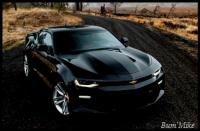






 >= = Chevrolet Camaro Z/28 = =<
 INSTRUMENTED TEST
\
2014 Chevrolet Camaro Z/28
This is America's track star.
2014 Chevrolet Camaro Z/28
This is America's track star.
- MARCH 2014
- BY ERIC TINGWALL
- MULTIPLE PHOTOGRAPHERS
 From the May 2014 Issue of Car and Driver
“I told ’em on the radio that I was pulling over a Z/28, and they said they don’t make them no more,” the cop says with a drawl straight off the pages of Faulkner. “I told ’em, ‘Whatever it is, this is a bad-*** car.’ ”
 Save the Manuals!
This member of Alabama’s finest claims that Dick Knoll, Camaro lead integration engineer and driver of the Z/28 I’m riding in, put a wheel over the yellow line a mile back on Interstate 20. Knoll doesn’t dispute it because it’s already evident that no tickets will be written today. This is a fan-boy shakedown. The officer barely glances at Knoll’s driver’s license before collecting his take. Cell phone already in hand, his question is rhetorical: “Do you mind if I take a few pictures?”
Officer Instagram can’t be faulted. There’s been enough hype around the Camaro Z/28 revival to launch a dozen blogs. It is retro done right: the return of a storied name applied to a modern car crafted in the same spirit as the 1967 original. Like that first Z/28 that homologated Chevy’s Trans-Am racer, this new incarnation’s mission is to lay down fast laps on a road course. It was developed on the Nürburgring, Road Atlanta, Road America, and Virginia International Raceway, as well as at GM’s own Milford road course. Fittingly, our road test covered more distance on the 2.4-mile track at Barber Motorsports Park in Birmingham, Alabama, than on public streets.
The Z/28 is not the quickest, the fastest, or the most powerful Camaro, but it is the most expensive at $75,000, or more than three times the price of a six-cylinder model. Its only clear-cut competitor is the $49,990Mustang Boss 302 Laguna Seca that Ford stopped building last year. And even then, the parallels exist in concept, not execution. With a 7.0-liter V-8, carbon-ceramic brakes, damper technology borrowed from Formula 1, and the widest front tires on a production car, Chevy’s Camaro Z/28 is a Boss 302 fighter raised on growth hormones and testosterone.

How to make a 7.0-liter V-8 look small? Put it in a Camaro. The cold-air intake is one of the few changes GM made in transplanting the LS7 engine from the outgoing Corvette Z06.
Plucked from GM’s last track-day special, the 2013 Corvette Z06, the Z/28's port-injected LS7 V-8 is fortified with new pistons and titanium connecting rods whose bearing inserts are now spray-coated for improved durability. There are also a cold-air intake, revised exhaust headers, and a repackaged dry-sump oiling system, but there’s more hardware that’s carry-over than new under the hood. At 505 horsepower and 481 pound-feet of torque, the Z/28’s LS7 makes just six more pound-feet than when this engine made its debut eight years ago.
Just as it did back then, the LS7 oozes power whether the Z/28 is standing still or at speed. The car quakes under a loping idle as heat radiates from the carbon-fiber extractor and blurs the view through the windshield. Racing toward a 7000-rpm redline, the Z/28 smears Barber’s manicured landscaping as if it were a still-wet watercolor, while the exhaust’s raucous bawl rattles the cabin. Zero to 60 mph passes in 4.4 seconds, and the quarter-mile clears in 12.7, by which time you’re doing 116 mph. True, the Z/28 isn’t as quick as the ZL1 in a straight line, but that’s not the point.
The six-speed manual transmission shared with the Camaro SS 1LE is geared for road-course duty, with closer ratios passed through a shorter 3.91:1 final drive. Shifts are heavy and stiff, and the pedals are spaced a toe’s-width too far apart for easy heel-and-toe action. The substantial displacement of the naturally aspirated V-8 compensates with a low end that’s nearly as forceful as its top end is intense. We work over Barber using third and fourth gears and every rev between 3000 and 7000 rpm.
The Pirelli P Zero Trofeo Rs are essentially street-legal racing tires so tacky that, during development testing, they occasionally stuck to the pavement better than to the wheels they were mounted on. To keep the Pirellis from slipping around the rim, the wheels on production Z/28s are media-blasted to increase friction at the mating surface, a common practice in racing.
The massive front tires are the same size as the rears, a remedy first used on the 1LE to address the Camaro SS’s penchant for understeer. Here, though, the rubber is sized up to 305/30 and mounted on smaller, lighter 19-inch forged aluminum wheels. When warm, the tires stick to the pavement like four wads of melted Wrigley’s. In Barber’s long, mid-speed corners we saw as much as 1.06 g of lateral stick, despite a damp track and temperatures struggling to top 40 degrees. The Z/28 is neutral and responsive at the limits, and the Torsen-type limited-slip differential prudently doles out power on corner exit. The flat-bottom steering wheel has the same heft and on-center sharpness as the Camaro ZL1’s. Unfortunately, it lacks the stimulating feedback experienced in the best sports cars. Continued...< Click
HIGHS, LOWS, AND VERDICT
Highs:
Galvanic handling, pavement-sucking tires, 7.0 liters’ worth of small-block V-8.
Lows:
Pricier than a Corvette without being faster, looks like a V-6 Camaro inside.
Verdict:
As close as it gets to a race car for the road.
MODEL RESEARCH
RANK IN SEGMENT
1. Chevrolet Corvette Z06

Price: $70,000 – $76,920
0 to 60 mph: N/A
EPA: N/A
2. Chevrolet Camaro ZL1

Price: $54,995 – $61,550
0 to 60 mph: 4 sec
EPA: 14/19 mpg
3. Chevrolet Camaro Z/28

Price: $73,700 – $73,700
0 to 60 mph: N/A
EPA: N/A
4. Ford Mustang Shelby GT500

Price: $41,675 – $60,935
0 to 60 mph: N/A
EPA: N/A
5. Dodge Challenger SRT

Price: $37,995 – $45,680
0 to 60 mph: N/A
EPA: N/A
NEWS AND REVIEWS
SPECIFICATIONS
VEHICLE TYPE: front-engine, rear-wheel-drive, 4-passenger, 2-door coupe
PRICE AS TESTED: $76,150 (base price: $75,000)
ENGINE TYPE: pushrod 16-valve V-8, aluminum block and heads, port fuel injection
Displacement: 428 cu in, 7008 cc
Power: 505 hp @ 6100 rpm
Torque: 481 lb-ft @ 4800 rpm
TRANSMISSION: 6-speed manual
DIMENSIONS:
Wheelbase: 112.3 in
Length: 192.3 in
Width: 76.9 in Height: 52.4 in
Curb weight: 3862 lb
C/D TEST RESULTS:
Zero to 60 mph: 4.4 sec
Zero to 100 mph: 9.5 sec
Zero to 130 mph: 16.1 sec
Rolling start, 5-60 mph: 4.6 sec
Top gear, 30-50 mph: 9.0 sec
Top gear, 50-70 mph: 8.9 sec
Standing ¼-mile: 12.7 sec @ 116 mph
Top speed (drag limited, mfr-s est): 172 mph
Braking, 70-0 mph: 155 ft
Roadholding*: 1.06 g
ESTIMATED FUEL ECONOMY:
EPA city/highway driving: 13/19 mpg
*Skidpad unavailable. Number derived from track test.
 TEST NOTES: Unlike other Chevys with performance traction management, the Z/28 doesn-t have launch control. Grippy though the tires are, it doesn-t take much right pedal to break them loose on an acceleration run. A quick time is all about modulating the throttle.
PHOTOS (57)
Plucked from GM’s last track-day special, the 2013 Corvette Z06, the Z/28's port-injected LS7 V-8 is fortified with new pistons and titanium connecting rods whose bearing inserts are now spray-coated for improved durability. There are also a cold-air intake, revised exhaust headers, and a repackaged dry-sump oiling system, but there’s more hardware that’s carry-over than new under the hood. At 505 horsepower and 481 pound-feet of torque, the Z/28’s LS7 makes just six more pound-feet than when this engine made its debut eight years ago.
Just as it did back then, the LS7 oozes power whether the Z/28 is standing still or at speed. The car quakes under a loping idle as heat radiates from the carbon-fiber extractor and blurs the view through the windshield. Racing toward a 7000-rpm redline, the Z/28 smears Barber’s manicured landscaping as if it were a still-wet watercolor, while the exhaust’s raucous bawl rattles the cabin. Zero to 60 mph passes in 4.4 seconds, and the quarter-mile clears in 12.7, by which time you’re doing 116 mph. True, the Z/28 isn’t as quick as the ZL1 in a straight line, but that’s not the point.
The six-speed manual transmission shared with the Camaro SS 1LE is geared for road-course duty, with closer ratios passed through a shorter 3.91:1 final drive. Shifts are heavy and stiff, and the pedals are spaced a toe’s-width too far apart for easy heel-and-toe action. The substantial displacement of the naturally aspirated V-8 compensates with a low end that’s nearly as forceful as its top end is intense. We work over Barber using third and fourth gears and every rev between 3000 and 7000 rpm.
The Pirelli P Zero Trofeo Rs are essentially street-legal racing tires so tacky that, during development testing, they occasionally stuck to the pavement better than to the wheels they were mounted on. To keep the Pirellis from slipping around the rim, the wheels on production Z/28s are media-blasted to increase friction at the mating surface, a common practice in racing.
The massive front tires are the same size as the rears, a remedy first used on the 1LE to address the Camaro SS’s penchant for understeer. Here, though, the rubber is sized up to 305/30 and mounted on smaller, lighter 19-inch forged aluminum wheels. When warm, the tires stick to the pavement like four wads of melted Wrigley’s. In Barber’s long, mid-speed corners we saw as much as 1.06 g of lateral stick, despite a damp track and temperatures struggling to top 40 degrees. The Z/28 is neutral and responsive at the limits, and the Torsen-type limited-slip differential prudently doles out power on corner exit. The flat-bottom steering wheel has the same heft and on-center sharpness as the Camaro ZL1’s. Unfortunately, it lacks the stimulating feedback experienced in the best sports cars. Continued...< Click
HIGHS, LOWS, AND VERDICT
Highs:
Galvanic handling, pavement-sucking tires, 7.0 liters’ worth of small-block V-8.
Lows:
Pricier than a Corvette without being faster, looks like a V-6 Camaro inside.
Verdict:
As close as it gets to a race car for the road.
MODEL RESEARCH
RANK IN SEGMENT
1. Chevrolet Corvette Z06
Price: $70,000 – $76,920
0 to 60 mph: N/A
EPA: N/A
2. Chevrolet Camaro ZL1
Price: $54,995 – $61,550
0 to 60 mph: 4 sec
EPA: 14/19 mpg
3. Chevrolet Camaro Z/28
Price: $73,700 – $73,700
0 to 60 mph: N/A
EPA: N/A
4. Ford Mustang Shelby GT500
Price: $41,675 – $60,935
0 to 60 mph: N/A
EPA: N/A
5. Dodge Challenger SRT
Price: $37,995 – $45,680
0 to 60 mph: N/A
EPA: N/A
NEWS AND REVIEWS
- + We Visit Recaro's Michigan Factory, Witness the Mighty Camaro Z/28's Seats Being Assembled [Photo Gallery] - Car News
- + Let It Flow, Let It Flow, Let It Flow: Chevy Shows Off Camaro Z/28's Cooling-Enhancing "Flowtie" - Car News
- + Beast Mode Engaged: Chevrolet Camaro Z/28.R Racer Announced - Car News
- + Z My Valentine? LS7-Powered 2014 Chevrolet Camaro Z/28 to Start at $75,000 - Car News
- + 2014 Chevrolet Camaro Z/28 Coupe - First Ride
- + 2014 Camaro Z/28 Laps the 'Ring (In the Wet) Pretty Damn Quickly - Car News
- + Five Awesome Things You Didn't Know About the New Camaro Z/28?s Backstory - Car News
- + 2014 Chevrolet Camaro Z/28 - Official Photos and Info
- + Name That Shifter, No. 11: Chevrolet Camaro Z28 - Feature
SPECIFICATIONS
VEHICLE TYPE: front-engine, rear-wheel-drive, 4-passenger, 2-door coupe
PRICE AS TESTED: $76,150 (base price: $75,000)
ENGINE TYPE: pushrod 16-valve V-8, aluminum block and heads, port fuel injection
Displacement: 428 cu in, 7008 cc
Power: 505 hp @ 6100 rpm
Torque: 481 lb-ft @ 4800 rpm
TRANSMISSION: 6-speed manual
DIMENSIONS:
Wheelbase: 112.3 in
Length: 192.3 in
Width: 76.9 in Height: 52.4 in
Curb weight: 3862 lb
C/D TEST RESULTS:
Zero to 60 mph: 4.4 sec
Zero to 100 mph: 9.5 sec
Zero to 130 mph: 16.1 sec
Rolling start, 5-60 mph: 4.6 sec
Top gear, 30-50 mph: 9.0 sec
Top gear, 50-70 mph: 8.9 sec
Standing ¼-mile: 12.7 sec @ 116 mph
Top speed (drag limited, mfr-s est): 172 mph
Braking, 70-0 mph: 155 ft
Roadholding*: 1.06 g
ESTIMATED FUEL ECONOMY:
EPA city/highway driving: 13/19 mpg
*Skidpad unavailable. Number derived from track test.
TEST NOTES: Unlike other Chevys with performance traction management, the Z/28 doesn-t have launch control. Grippy though the tires are, it doesn-t take much right pedal to break them loose on an acceleration run. A quick time is all about modulating the throttle.





Thread
Thread Starter
Forum
Replies
Last Post
BeachBumMike
Off Topic
2
Jun 11, 2014 04:39 AM
Space
Off Topic
10
Sep 14, 2009 08:46 AM

