


Info: What about the Rubber Bushings on the Engine Mounting


Thread Starter
|
MOTM Mod




Joined: May 2013
Posts: 5,500
From: Nebraska

 What about the Rubber Bushings on the Engine Mounting
Okay something I was wondering about it those rubber bushings in the engine mounts,
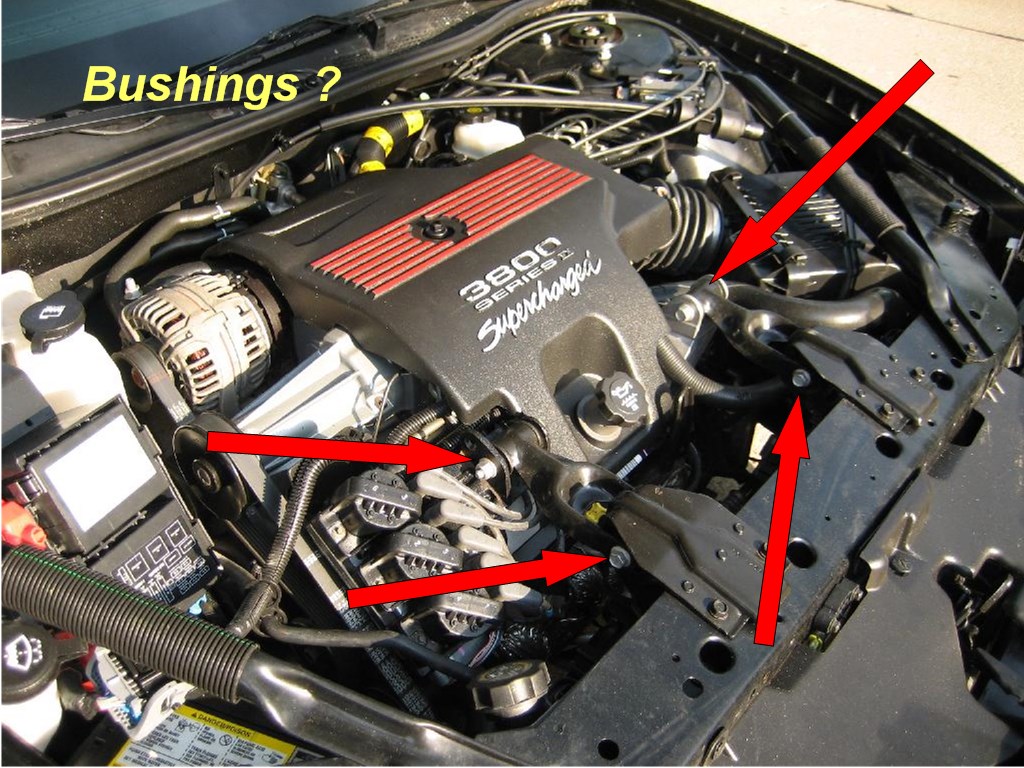
How often do they need to be replaced?
Do they deteriorate like most of the rubber parts?
Where is the best place to get them?
Chevy Parts?
Other sources?
check the photo's that I have included.
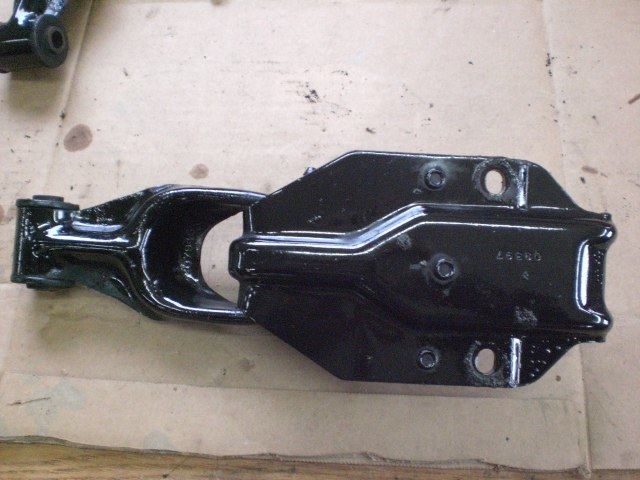
How often do they need to be replaced?
Do they deteriorate like most of the rubber parts?
Where is the best place to get them?
Chevy Parts?
Other sources?
check the photo's that I have included.


Joined: May 2013
Posts: 368
From: Jacksonville,Florida

I replaced the front ones on the engine side with poly ones from zzp performance, didn't cost much, I tried to rotate the ones in the front radiator support as seen on here and you tube but I couldn't get it so Im gonna replace the whole bracket, not very costly on rock auto or buy the poly bushings to replace. the poly ones on front engine side made the throttle response a little better







Joined: Apr 2010
Posts: 12,605
From: Mentor, Ohio

They will crack/rot over time like any rubber bushing. But I do believe they can last a LONG time. I believe you end up buying the entire mount unless you switch to poly.
I have W-body store poly mounts. A little extra vibration. All depends what you are into.
I have W-body store poly mounts. A little extra vibration. All depends what you are into.

Joined: Feb 2008
Posts: 6,460
How often they need replaced is hard to answer as there are a lot of variables. Certainly the rubber will deteriorate over time, but as most of these cars are less than 20 years old they shouldn't be rotten from age alone. It's more likely that they'll be worn out from engine movement with mileage. Certainly if the car has been driven a lot with issues causing excessive engine movement (bad shaking at idle, excessively hard shifts, etc) that will accelerate the wear.
The good thing is, they're easy to check. Just open the hood and attempt to move the engine back and forth by hand. The engine should move, but in a restrained condition by the bushings. If there is slop/ movement before the bushings are engaged, then those should be replaced. Keep in mind there are two underneath the engine as well that should be checked at the same time.
For a replacement, it depends what you're looking for. If you just want an OEM replacement, id go to a junkyard and buy some mounts from a lower mileage car that are in good shape. Don't try to take the rubber out, just buy the whole mount. There are zillions of wbody cars in junkyards, so there should be no issue finding ones that'll last you a long time for cheap.
If you want something stiffer than stock, multiple vendors sell poly (but keep in mind NVH will be increased).
There is another option for the ones on the radiator support. From the factory, they're installed so the support is vertical. You cam rotate them 90 degrees so that the support runs horizontally. This greatly increase the effective stiffness of the bushings, and is free to do (but again at the expense of some NVH albeit nowhere near as bad as poly).
The good thing is, they're easy to check. Just open the hood and attempt to move the engine back and forth by hand. The engine should move, but in a restrained condition by the bushings. If there is slop/ movement before the bushings are engaged, then those should be replaced. Keep in mind there are two underneath the engine as well that should be checked at the same time.
For a replacement, it depends what you're looking for. If you just want an OEM replacement, id go to a junkyard and buy some mounts from a lower mileage car that are in good shape. Don't try to take the rubber out, just buy the whole mount. There are zillions of wbody cars in junkyards, so there should be no issue finding ones that'll last you a long time for cheap.
If you want something stiffer than stock, multiple vendors sell poly (but keep in mind NVH will be increased).
There is another option for the ones on the radiator support. From the factory, they're installed so the support is vertical. You cam rotate them 90 degrees so that the support runs horizontally. This greatly increase the effective stiffness of the bushings, and is free to do (but again at the expense of some NVH albeit nowhere near as bad as poly).

